
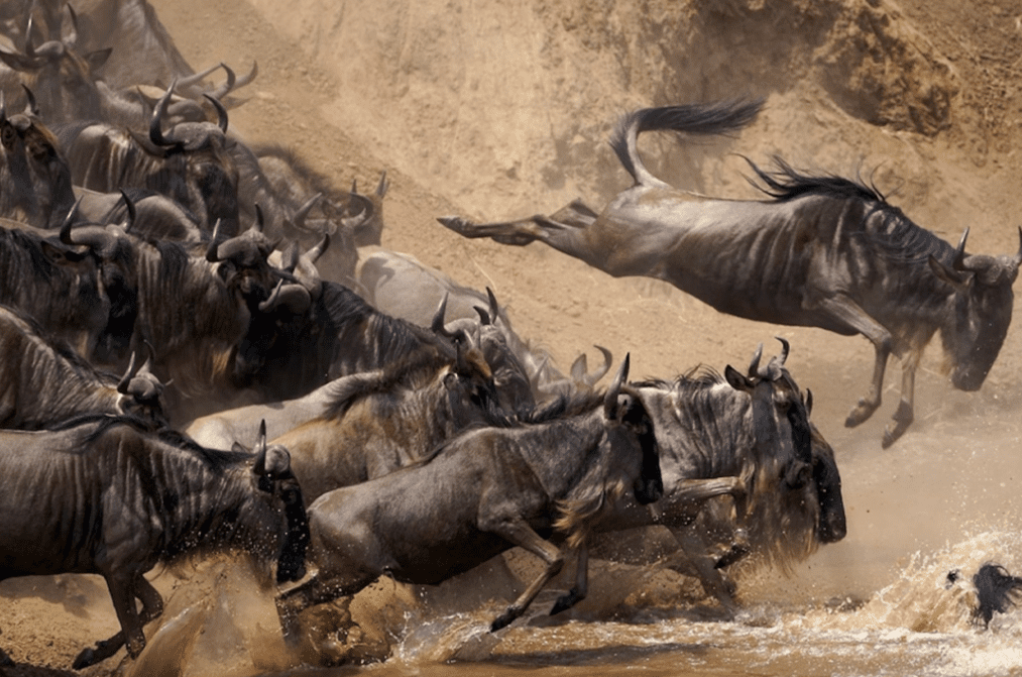
Few wildlife events on earth compare to the Great Migration. More than a million wildebeest, accompanied by hundreds of thousands of zebras and gazelles, move continuously across the East African plains in one of nature's most extraordinary spectacles. Predators follow the herds. Rivers run with animals. Dust clouds rise above the savannah for miles in every direction.
For many travellers, witnessing the Great Migration is not just a safari highlight — it is the entire reason for the trip.
This guide covers everything you need to know about the Great Migration: what it is, where it happens, when to go, and how to make the most of the experience.
What Is the Great Migration?
The Great Migration is often described as a seasonal event, but it is more accurate to think of it as a continuous, year-round movement. Large herds of wildebeest, zebras, and gazelles cycle endlessly through the Serengeti-Mara ecosystem — a vast interconnected landscape that spans northern Tanzania and southern Kenya — in search of fresh grass and water.
The direction and timing of the migration is driven by rainfall patterns. As the rains shift across the region, the grass grows in different areas, and the herds follow. They do not stop. They are constantly moving, grazing, giving birth, and crossing rivers — sometimes in scenes of extraordinary drama.
Understanding this continuous cycle is what allows you to time your visit for the experience that matters most to you.
Where Does the Great Migration Take Place?
The migration moves through several distinct areas across Tanzania and Kenya, each offering a different kind of experience.
Southern Serengeti, Tanzania
In the early months of the year, the vast herds gather on the short-grass plains of the southern Serengeti. This is calving season — a period when hundreds of thousands of wildebeest calves are born within a matter of weeks. It is one of the most remarkable concentrations of wildlife on the planet, and the influx of newborns draws large numbers of predators, making for exceptional big cat viewing.
Western and Northern Serengeti, Tanzania
As the dry season approaches, the herds begin moving north and west through the Serengeti. This leg of the journey brings them to the Grumeti and Mara rivers, where dramatic crossings take place. The western Serengeti crossings are less visited than those further north, making them a quieter alternative for travellers who want the spectacle without the crowds.
Maasai Mara, Kenya
By mid-year, the leading edge of the migration crosses into Kenya's Maasai Mara National Reserve. This is where the most famous scenes unfold — enormous columns of wildebeest pushing to the banks of the Mara River, hesitating, then finally plunging in while Nile crocodiles wait below. These crossings are unpredictable and can happen multiple times a day or not at all — which is part of what makes witnessing one feel like such a privilege.
When Is the Best Time to See the Great Migration?
Because the migration never stops, there is no single "best" time to visit — only the best time for the kind of experience you want.
January to March — Calving Season (Southern Serengeti)
This is one of the most underrated windows for migration viewing. The southern Serengeti hosts the calving season, with enormous numbers of newborn wildebeest appearing across the plains. Predators — lions, cheetahs, hyenas, and wild dogs — are highly active during this period, making it exceptional for wildlife drama. The atmosphere is different from the river crossings but equally compelling.
April to June — The Journey North (Central and Western Serengeti)
As the long rains arrive, the herds begin moving through the central and western Serengeti. This transitional period sees large columns of animals on the move and offers good opportunities for river crossings along the Grumeti River. Visitor numbers are lower during this period, and accommodation rates are often reduced.
July to October — River Crossings (Maasai Mara, Kenya)
This is peak migration season and the most popular time to visit. The Mara River crossings are at their most dramatic, and the combination of exceptional wildlife density and open plains in the Maasai Mara makes for outstanding game viewing even between crossings. Accommodation fills quickly during this window, so early booking is essential.
November to December — The Return South
As the short rains arrive in Kenya, the herds begin moving back toward Tanzania. The southern Serengeti starts to fill again in preparation for the next calving season, completing the annual cycle.
How to Experience the Great Migration
There are several ways to witness the migration, and the right choice depends on your travel style and budget.
Game drives remain the most common and practical way to follow the herds. An experienced guide can read the landscape and anticipate where crossings are likely to occur, significantly increasing your chances of being in the right place at the right time.
Hot air balloon safaris offer a completely different perspective — floating above the plains at dawn, watching the herds move below in near-silence. Balloon safaris are available in both the Serengeti and the Maasai Mara and are a memorable addition to any migration itinerary.
Horseback safaris are available in select areas of Kenya for experienced riders and offer an immersive, ground-level experience alongside the wildlife.
Whichever approach you choose, patience is essential. The migration operates on its own schedule, and river crossings in particular can take hours to develop — or not happen at all on a given day. The travellers who get the most from the experience are those who settle in, stay present, and allow the landscape to unfold at its own pace.
Why the Great Migration Is Worth Witnessing
There is no easy way to convey the scale of the Great Migration in words. The herds stretch further than the eye can see. The ground shakes when they move. Dust rises in enormous columns above the plains. Predators move through the grass at the edges.
What makes it truly remarkable is not just the spectacle itself, but the knowledge that this pattern has continued, largely unchanged, for thousands of years. Long before there were tourists or roads or lodges, these same animals were following the same rains across the same plains. Witnessing it in person puts you in contact with something ancient and undeniable.
For many travellers, it is the single most powerful wildlife experience of their lives.
Plan Your Great Migration Safari
Whether you want to witness the calving season in Tanzania, the river crossings in Kenya, or a combination of both, timing and planning make all the difference.
At Adventure Safari Network, our migration tours operate year-round across both Tanzania and Kenya, designed to match each season's highlights. We can help you choose the right window for your priorities, select the best base camps and lodges, and build an itinerary that gives you the best possible chance of being in the right place at the right time.
Explore our Great Migration safari options or get in touch with our team to start planning your trip.